


Upcycled Beauty Is Cleaner, Greener—and Honestly, Smarter
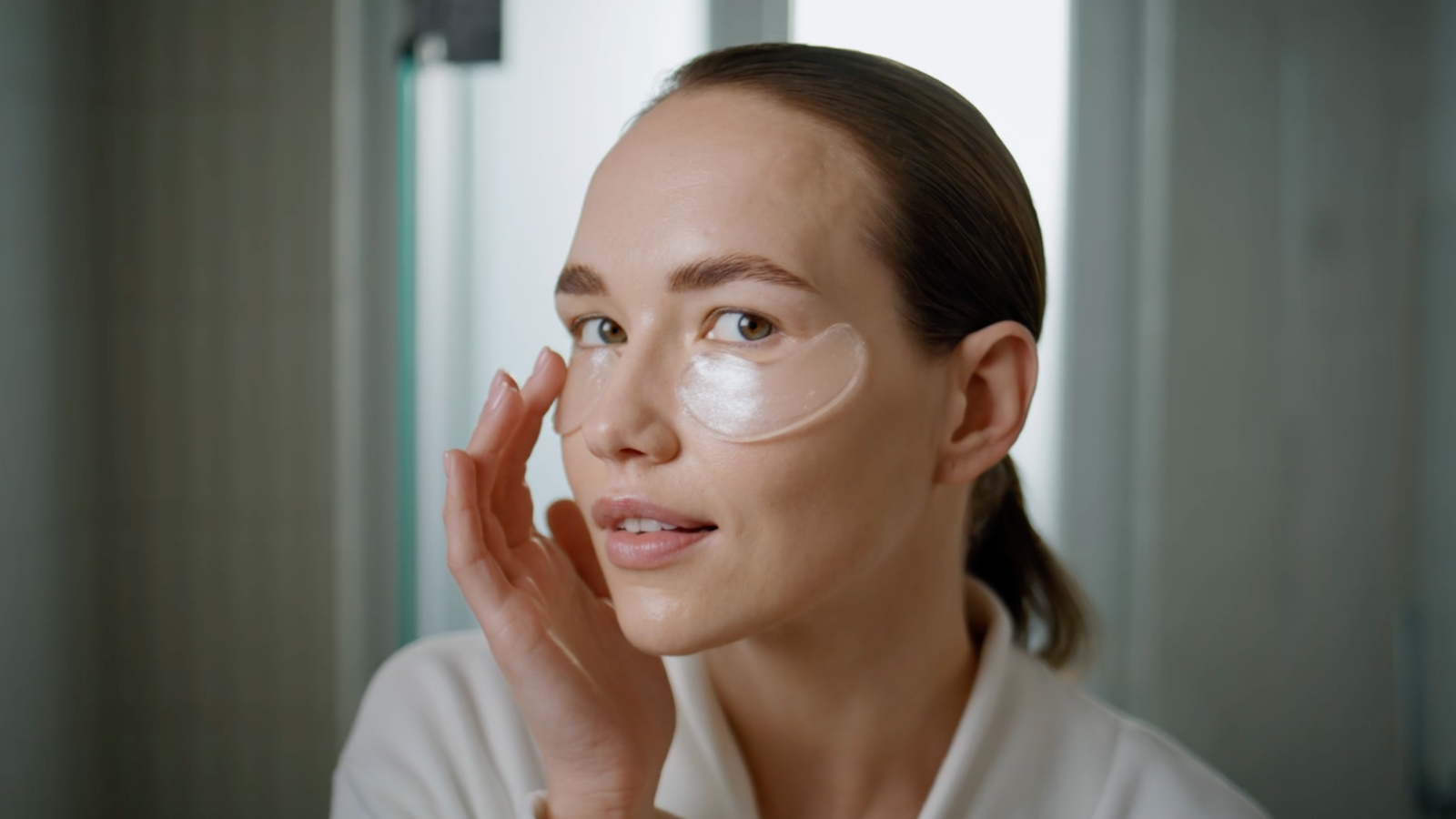
The stuff we’ve been throwing away might be better for your skin than the products we’ve been paying for.
From avocado pits to coffee grounds, what you think of as “waste” is now showing up in skincare. These upcycled ingredients are nutrient-rich, highly functional, and, turns out, really good at what they do.
What Does “Upcycled Ingredients” Mean?
“Upcycled” doesn’t mean sketchy leftovers. It means taking perfectly good byproducts— like fruit peels, olive stones, or grain pulp—and repurposing them before they hit the landfill. That means packing beauty products with ingredients that are nutrient-dense, skin-safe, and planet-friendly. Less waste, more benefit. Kind of a no-brainer.

Why They Work (and Sometimes Work Better)
Turns out, a lot of the nutrients we want—like antioxidants, vitamins, and healthy fats—don’t always stay in the parts of food we eat. Think: fruit peels loaded with antioxidants, coffee grounds packed with vitamins, or olive stones full of fatty acids.
When food gets processed, a lot of the good stuff gets left behind. Upcycled ingredients scoop that up.
In some cases, those ingredients are actually more concentrated, more stable, and more powerful than the “fresh” version you’d expect.
In other words: your blueberry extract might be even stronger after the fruit’s been juiced.
Who’s Doing This Right in the Skincare World
UpCircle Beauty is one of the brands that’s really making this work. Their whole line is built around upcycled stuff—like coffee grounds from London cafés, powdered olive stones, and chai spices. It’s not just about reducing waste (though that’s a bonus); their formulas seriously perform.

The food industry is catching on too. Brewer’s spent grain is turning into protein-rich flour. Coffee fruit (not the bean—the part usually discarded) is now in antioxidant-packed snack bars and energy drinks. Upcycled foods don’t just reduce waste—they upgrade it. More fiber, more nutrients, less trash.
Translation: more fiber, more nutrients, less trash. And usually, fewer weird additives.
But remember: Some brands throw the word around because it sounds good. If there’s no info on where the ingredient came from, what it does, or why it matters, skip it. Real upcycling comes with transparency.