


Is Your Period App Sharing Your Data? What You Need to Know in 2025
Your period app probably knows more about you than your best friend does. When you’re ovulating, how heavy your last cycle was, whether you cried during your luteal phase over a TikTok dog video. It’s all in there.
And depending on the app,. companies you’ve never heard of might have access to that info.
Why Are We Still Talking About This?
In 2025, tracking your cycle isn’t just about fertility—it’s about tuning into your body.
And for a lot of people, period apps have become a lifeline: spotting patterns, prepping for mood swings, understanding hormone shifts.
But here’s the thing.
When you hand over sensitive health info to a corporation, it doesn’t always stay locked in a digital vault. Some apps share it (or pieces of it) with third parties. For instance, aggregated, anonymized cycle data can be used for research, giving us better insight into women’s health trends. Sometimes it ends up in insurance reports. But most sinister of all, our private information can become fodder for targeted ads.
These days, we’re all guilty of letting our guard down when it comes to privacy. (We see you, cookies. And social-media algorithms.) It’s all about knowing what you’re agreeing to—and deciding if you’re cool with it.
And even if it’s anonymized, your cycle data could end up in research, insurance reports, or—less cool—targeted ads.
That said: sharing your flow symptoms isn’t the same as apps tracking your shopping cart to upsell you shampoo.
And honestly, a lot of users these days are a little more chill about privacy after everything we already know about algorithms, government spying, and social media tracking. (We see you, cookies.)
Not mad about that.
So, What Are the Big Apps Actually Doing?
Flo
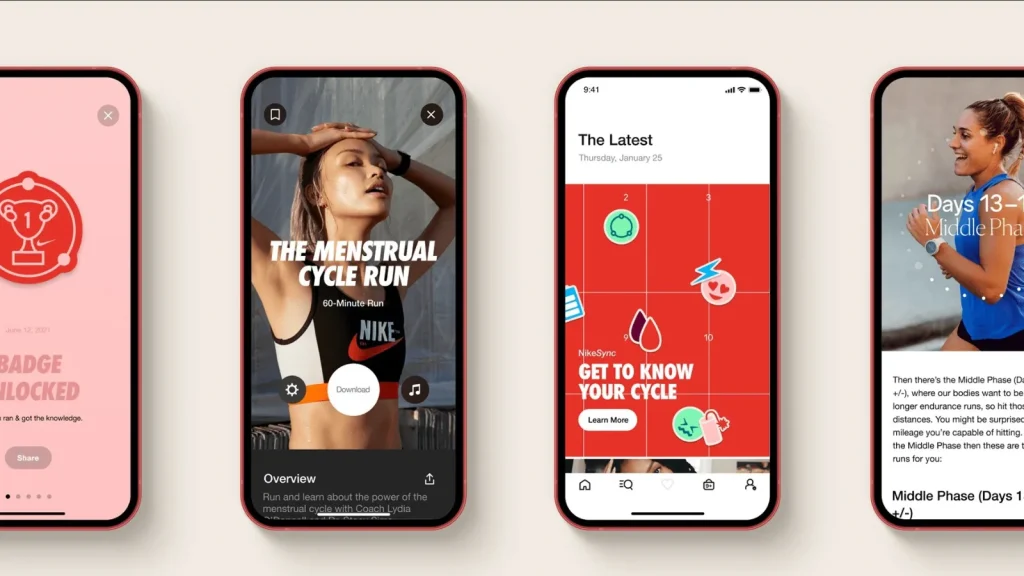
Flo is one of the most popular period apps out there. Back in 2021, it got busted by the FTC for sharing user data with Facebook and Google without proper disclosure. Since then, Flo’s stepped up with Anonymous Mode, tighter privacy promises, and yearly audits.
Bonus: Flo uses community data (anonymized) to show users cool stats like, “70% of people logged cramps on day two.” Which honestly? Feels helpful.
Read Flo’s full privacy policy here
Clue
Clue is based in Berlin and follows GDPR laws (aka: much stricter privacy rules). They don’t sell your info and they’re super-clear about asking for consent before sharing anything.
Read Clue’s full privacy policy here
Natural Cycles
Natural Cycles is FDA-cleared and offers an anonymous tracking option. They may share de-identified data for research purposes (only if you agree), but sensitive health info stays protected.
Read Natural Cycle’s full privacy policy here
How To Protect Your Info (Without Freaking Out)
- Read the privacy policy. Vague words like “partners” or “affiliates” should raise an eyebrow.
- Turn off location-sharing unless you absolutely need it.
- Only log what you’re comfortable sharing. You don’t have to track every single twinge.
- Push for better laws. Femtech is growing faster than the privacy laws protecting it. We need better rules—and fast.
All in all, using a period app isn’t inherently risky—or evil.
For most people, the value of knowing their cycle patterns, moods, and fertility windows outweighs the small risk of anonymized data being part of a larger research pool.
So don’t panic-delete your apps. Just stay a little nosy. Ask questions. And choose tools that treat your body like it matters—because it really, really does.